Why am I getting shocked in my house? You are getting shocked because electricity is escaping its intended path and using your body as a ground. This usually means you have a faulty appliance, worn-out wiring, or ungrounded outlets that need immediate repair.
Central Florida's humidity and afternoon storms put extra strain on your electrical system. If you feel a jolt when touching a light switch or appliance, do not ignore it. Need an expert right away? Contact Spectrum Electric Inc. at (407) 880-8977. Our local professionals are ready to keep your family safe.
Electrical shocks are more than just a startling annoyance. They act as clear warning signs that your home safety systems are failing. Every year, electrical malfunctions cause thousands of home fires and injuries. We want to help you understand exactly what causes these dangerous jolts and how to fix them.
This diagnostic guide covers the basics of household electricity in Florida. You will learn how to identify common culprits and discover safe ways to troubleshoot your home.
How Does Electricity Flow Through Florida Homes?
Electricity flows through your home in a continuous loop from the breaker panel to your outlets and back. If a wire breaks or a connection loosens, that electrical current looks for the easiest path to the ground. Sometimes, that path is you.
This is why proper grounding is a massive safety priority. In our 25 years serving Central Florida, we find that older neighborhoods like College Park often lack modern grounding systems. The electrical codes in Orange County require specific safety measures to prevent stray voltage. A proper ground wire gives runaway electricity a safe path back to the earth instead of traveling through your arm.
What Causes Electrical Shocks in Your Home?
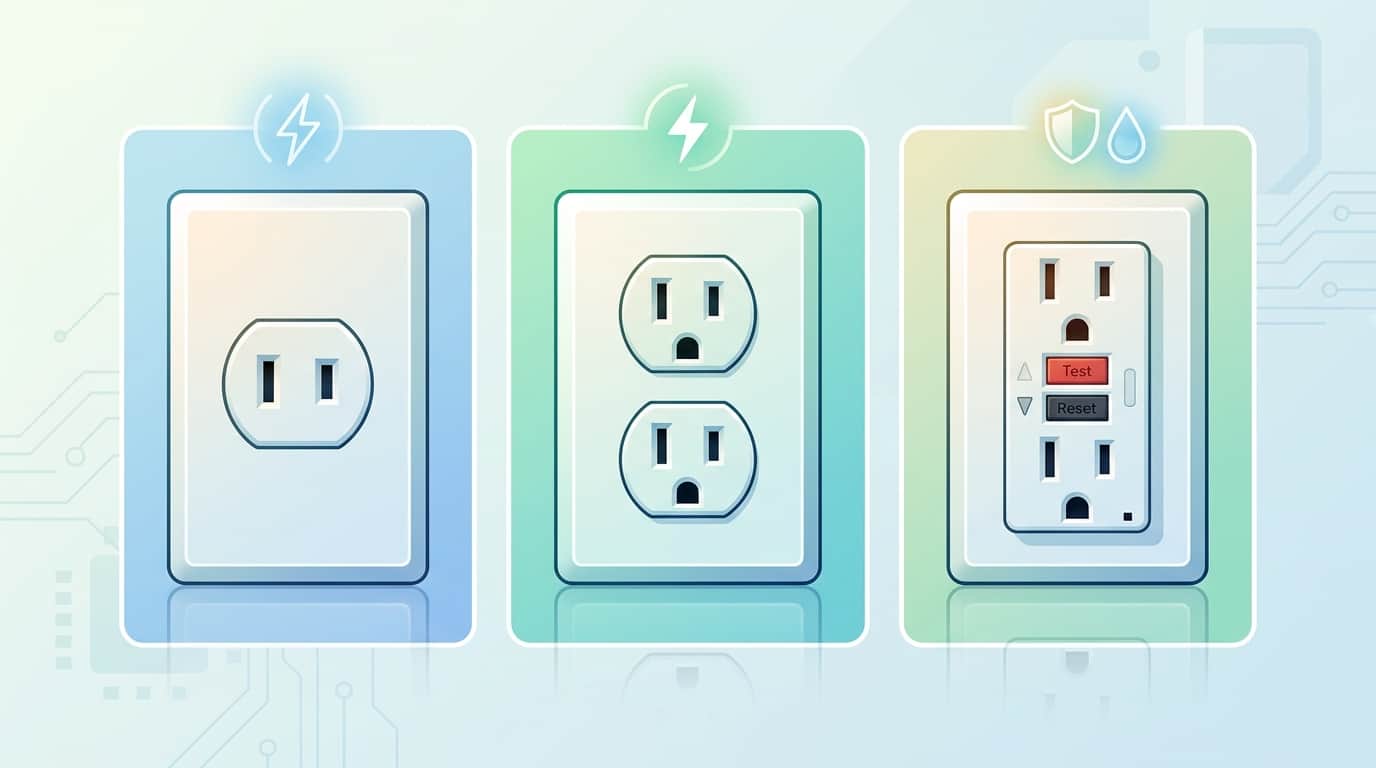
The main reasons you get shocked include damaged appliance cords, outdated two-prong outlets, and failed ground fault circuit interrupters. When homeowners ask us, “Why am I getting shocked in my house?” we usually find a loose wire touching a metal casing. This makes the entire appliance electrically charged.
Faulty Appliances
Your appliances endure a lot of daily wear and tear. A toaster with a damaged internal wire or a refrigerator with a frayed power cord will easily leak electricity. If you touch the metal casing of a faulty appliance, you will absorb that stray voltage.
Improper Wiring
Loose connections and exposed wires create massive shock hazards. Florida's coastal salt air and high humidity accelerate corrosion on copper and aluminum wiring. DIY wiring jobs gone wrong also account for nearly 40% of the shock hazards we find in local homes.
Ungrounded Outlets Near Water Sources
Water and electricity are a deadly combination. In many historic Winter Park homes, we find ungrounded two-prong outlets located right next to kitchen or bathroom sinks. If an appliance gets wet near an ungrounded outlet, the electricity has nowhere to go but through the water and into anyone touching it. This specific danger is why upgrading to GFCI receptacles is an absolute legal necessity under the Florida Building Code.
Ground Faults and Short Circuits
A short circuit happens when a hot wire touches a neutral wire. A ground fault occurs when a hot wire touches a grounded surface. Both situations cause a massive spike in electrical current. Modern GFCI outlets detect this spike in milliseconds and cut the power to prevent severe injuries.
Static Electricity vs. Electrical Shock
Not all shocks require a panic. Static electricity builds up when you walk across a carpet in socks and touch a metal doorknob. A static shock feels like a quick, sharp pinprick and vanishes instantly. A true electrical shock feels like a heavy, continuous vibration or intense jolt that causes your muscles to contract.
How Can You Safely Test Your Electrical Outlets?
You can safely test outlets by looking for scorch marks, smelling for burnt plastic, and pushing the test button on your GFCI receptacles. Unplug your appliances and inspect the cords for frayed edges. Never touch exposed wires or attempt to open the electrical panel yourself without a license.
Visual Inspection
Start by looking closely at your outlets and switches. Look for brown or black burn marks around the plastic faceplates. Check your appliance cords for cracks or exposed metal. In older homes, look for green corrosion around the outlet screws.
Appliance Testing
If you suspect a specific appliance is shocking you, unplug it immediately. Plug a different, known-working device, like a lamp, into that same outlet. If the lamp works fine without sparking, your appliance is the problem. If the outlet sparks, the wiring is faulty.
GFCI Breaker Testing
Florida building codes mandate GFCI protection in wet areas. Test your GFCI outlets every 30 days. Push the "Test" button on the faceplate. You should hear a click, and the power should cut off. Push "Reset" to restore power. If the button does not pop out, the outlet is broken and needs replacement.
Observing Patterns
Record when and where the shocks happen. Do you only get shocked in the kitchen? Does it happen during heavy rainstorms? Sharing these details helps your electrician pinpoint the exact issue much faster.
When Should You Call a Professional Electrician?
Call a licensed professional immediately if you smell burning wire, see sparks, or experience repeated shocks. Do not attempt DIY repairs on electrical panels or ungrounded circuits. Rewiring a single faulty circuit usually costs $150 to $350, while a full panel upgrade ranges from $1,800 to $3,500.
If you keep asking yourself, "Why am I getting shocked in my house," it is time to stop guessing and bring in a professional. Electrical work is extremely dangerous.
Watch out for these severe warning signs:
- Frequent breaker trips
- Burning smells from outlets or panels
- Sparking or buzzing sounds from switches
- Outlets that feel warm to the touch
- Outdated knob-and-tube or aluminum wiring
Our technicians find that attempting DIY electrical repairs often voids homeowners insurance policies. Hiring a licensed Florida electrician ensures your home meets all local codes. We have the proper testing tools, safety equipment, and liability protection to handle any hazardous situation safely.
Stopping Electrical Shocks for Good
We are the local experts you trust with your business and customers. We are not a giant, faceless corporation; we are the folks who live and work right here in Central Florida. From installing new outlets and switches in Lake Nona to providing complete Residential Electrical Services across the county, our team has the experience to fix your home fast.
If you need a reliable electrician in Apopka or anywhere in the greater Orlando area, we are ready to answer the call. Visit Spectrum Electric Inc. to learn more about our commitment to your safety.
Need help right now? Contact Spectrum Electric Inc. at (407) 880-8977 to schedule your free estimate today.