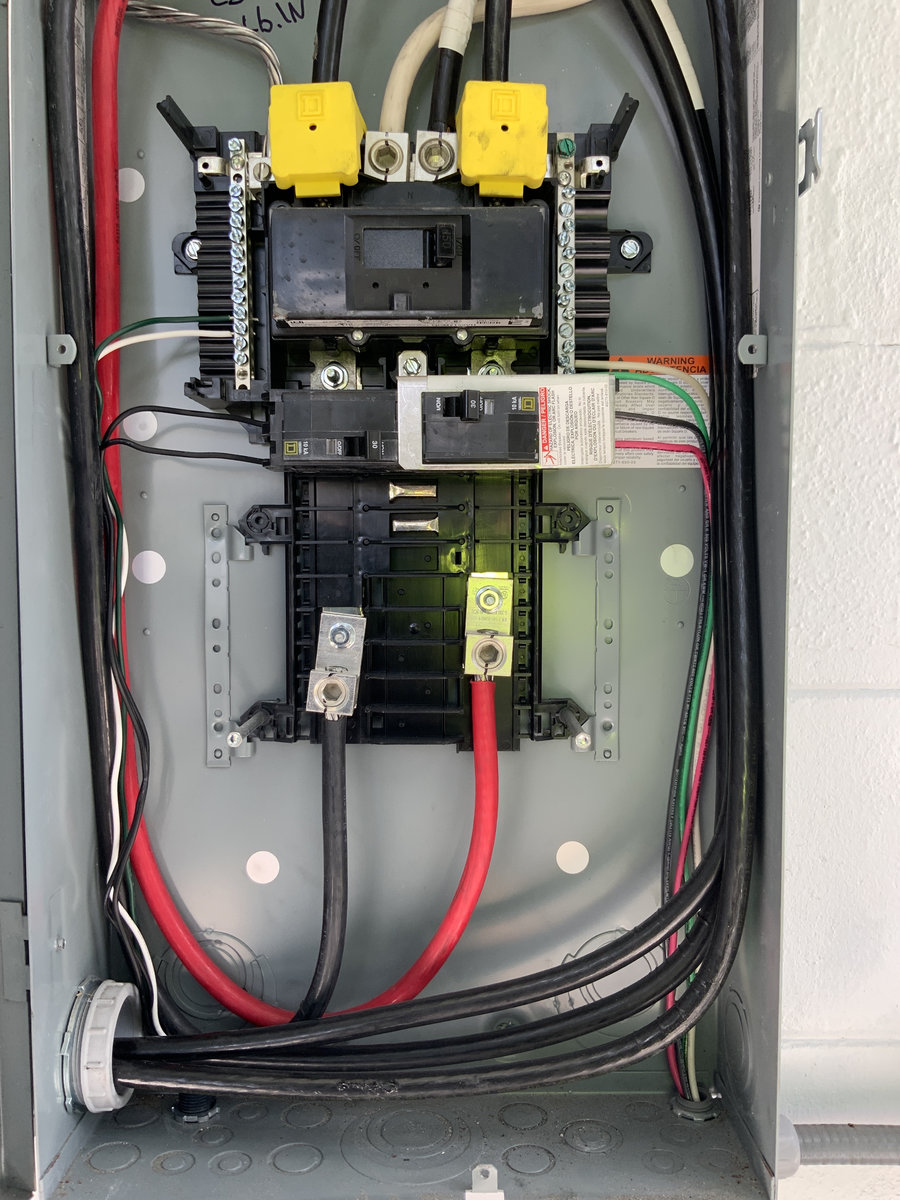
Hiring an unlicensed handyman or skipping the permit feels like a smart way to save money, right up until inspection, insurance, or resale, where it quietly costs you far more than you saved. The low bid works because it strips out every layer of protection a license and a permit are there to provide. You just do not see the bill until later. If you are weighing a cheap quote against a licensed one, reach out to our team at (407) 880-8977. At Spectrum Electric, we would rather explain the difference now than get called after it becomes a problem.
What actually goes wrong with unlicensed, unpermitted electrical work?
You lose the accountability and the insurance protections entirely. When an unlicensed person does the work, the insurance requirements are different and the state licensing board has no authority over them, so a whole layer of consumer protection simply disappears. With a licensed contractor, you have real recourse. They owe you a workmanship warranty, they answer to the licensing board, and they carry insurance that stands behind the install for years. An unlicensed handyman offers none of that, and if something goes wrong you are on your own. The permit matters for the same reason. It means an inspector actually verified the work was done to code, rather than you taking a stranger's word for it. Our licensed residential electrical services come with all of that built in, which is the part a cash discount is really removing. Cheap up front usually means unprotected everywhere else. That protection is the actual product you are buying from a licensed contractor, and it is exactly what the low bid quietly deletes.
How does unpermitted work bite you at inspection, insurance, and resale?
In three predictable ways, and all of them show up later. At resale, any value you added with unpermitted work usually does not count, because an appraiser and a buyer cannot credit an upgrade that was never inspected or recorded. You paid for the improvement and get none of it back. At inspection, unpermitted electrical done by an unlicensed person can turn into an endless process, with an inspector requiring things be opened up, corrected, and re inspected before anything closes. And at claim time, insurers will often refuse to cover damage tied to additions made by an unlicensed contractor, so the one moment you need coverage is the moment it is denied. Any of these alone can erase the savings from the cheap quote. Together they make an unpermitted job one of the most expensive shortcuts in a home. A properly permitted Orlando electrician keeps all three doors closed.
How do you verify someone is actually licensed and pulling permits?
Check it yourself, and do not take the contractor's word for any of it. Ask for the license number and verify that it is valid through the DBPR, the Department of Business and Professional Regulation, and make sure the name and address match what is on the company's website. Next, call your municipality or county and confirm the contractor is registered locally, because the county usually keeps their insurance on file and can tell you whether it is active. Then ask for a certificate of insurance, and here is the key detail: have the insurance company send it to you directly, not forwarded by the contractor. A COI that comes straight from the insurer is one you know is current, not one that expired last year and got emailed around. It takes ten minutes and it is the single best protection you have. Anyone doing honest, licensed work will have no problem with you checking, and anyone who hesitates has just told you something important.
How do you make sure your electrical work is done right?
Hire licensed, insist on a permit, and verify both before the work starts, not after. That one habit protects your inspection, your insurance, and your resale value all at once, and it costs you nothing but a little diligence. The savings on an unpermitted job are real on day one and mostly gone by resale, and they were never worth what you give up along the way: the warranty, the accountability, the insurance coverage, and the clean inspection. Think of the permit not as red tape but as the receipt that proves the work was done to code, the one document that protects your home value and your family at the same time. Licensed and permitted is not the expensive option. It is the option that does not circle back to cost you later. When you want work that holds up when it actually matters, call (407) 880-8977 or get in touch with our team and we will do it licensed, permitted, and inspected.